15Nov2026
15 – 25 Nov 2026
Last minute
from€5,160
20 seats available
BestsellerLast minute
Cherry blossom, temples and bullet trains from Tokyo to Osaka
4.5(2) Code ITH-JP-01
Eleven days to see Japan just as it changes colour: in late March and April cherry trees turn parks and temples into pink clouds, while in October and November maples set the hillsides alight in red. From the lights of Tokyo to the silence of Kyoto's gardens, with stops at Mount Fuji, Hakone and Nara, the route alternates big cities with landscapes.
We travel by private coach and shinkansen, with Ithaka's Greek coordinator and local guides who open the right doors: a tea ceremony, a night with a hot-spring bath, dinners among the street-food stalls of Osaka. The pace is moderate, with free evenings so you can explore in your own way.
4★ hotels in central areas and one night in a ryokan
9 breakfasts, 5 lunches and 4 dinners, including a kaiseki dinner in Hakone
Scheduled flights, shinkansen, private coach and local trains
11 days, stop by stop. Open a day to see what is planned: the map shows where you will be.
We meet at Athens airport with your Greek coordinator and take a scheduled flight to Japan with one connection. It is a long journey that includes a night in the air: a good book, a travel pillow and a little patience go a long way.
Arrival in Tokyo and transfer to the hotel. In the afternoon we head to Asakusa: under the great red lantern of the Kaminarimon gate, along Nakamise street with its stalls of sweets and paper fans, to Senso-ji, the city's oldest temple, where incense smoke drifts into the dusk. Welcome dinner.
A morning at a food market, tasting rolled omelette, grilled seafood and green tea. Then the forest of Meiji Shrine: gravel paths, stacked sake barrels and, with luck, a traditional wedding procession. In the afternoon we reach Shibuya, with its famous pedestrian crossing and the neon coming on at dusk.
We leave Tokyo for the Fuji area. At Fujiyoshida we climb to the red Chureito Pagoda, the classic view of Mount Fuji framed by cherry trees in spring and russet maples in autumn, then stroll by Lake Kawaguchi. In the evening, Hakone: an onsen bath and a kaiseki dinner. Fuji shows itself only when the sky is clear.
Morning in Hakone: a cruise on Lake Ashi and, if conditions allow, the ropeway above the steaming vents of Owakudani. Then coach to Odawara and the shinkansen to Kyoto: the bullet train glides past tea fields and, on clear days, shows Fuji once more. Evening free in Kyoto.
At Fushimi Inari we climb through thousands of vermilion torii gates, with dappled light and fox statues guarding the small shrines; we start early to find the path quiet. Then Kinkaku-ji, the Golden Pavilion, shimmering above its pond. Evening free for dinner on your own.
Arashiyama in the morning: the bamboo grove with its green light and rustling canes, the garden of Tenryu-ji and the Togetsukyo bridge over the river. After lunch, a tea ceremony in a traditional tea house: the slow ritual of whisking matcha, served with a seasonal sweet. Evening free.
A walk through Higashiyama: the stone-paved lanes of Ninenzaka and Sannenzaka, wooden townhouses and the five-storey Yasaka Pagoda, framed by cherry blossom in spring and red maples in autumn. Free time in the afternoon for the old shops; at dusk we stroll through Gion, the geisha district, before dinner.
By train to Nara. In the park the deer come to bow for a biscuit; then Todai-ji, inside one of the largest wooden halls in the world, home to a giant bronze Buddha. In the afternoon we continue to Osaka, a city that lives for its food, and settle into the hotel.
We visit Osaka Castle, with its stone walls and moat, in the morning, followed by free time for shopping. In the evening, a farewell dinner and a stroll through Dotonbori: neon signs reflected in the canal, steam rising from the takoyaki grills and lanterns glowing down the whole street.
After breakfast, transfer to Kansai airport for the flight home with one connection. You return to Athens with a suitcase full of photographs, a few packets of green tea and the memory of a spring or an autumn that will not easily fade.
Prices are per person in a double room. Choose your departure and book online in just a few minutes.
Last minute
Last minute
A passport valid for at least six months after your return is required. Entry requirements depend on nationality and may change: we will send you up-to-date guidance after booking and help with any e-visa. For vaccinations, please consult your doctor.
Cherry trees bloom in late March and April (the exact week changes every year), while the leaves turn red in October and November. Temperatures are usually between 8 and 20 °C, with cool mornings and evenings and the chance of rain: bring a light waterproof jacket.
The pace is moderate, with several kilometres on foot every day and many steps, especially at Fushimi Inari and the Chureito Pagoda. The more demanding walks are optional and the coordinator adapts the pace to the group. A reasonable level of basic fitness is needed.
Dress in layers, with a cardigan and a light waterproof. Wear comfortable shoes that slip off easily: you will take them off often in temples and ryokans. One medium suitcase and a daypack are enough, as space is tight on trains and in rooms. Carry a small bag for litter.
4.5/ 5
2 reviews
The cherry blossom in Kyoto was exactly as we had dreamed
We caught the blossom at its peak in Kyoto, and in Tokyo the petals were falling like snow. We got up early for Fushimi Inari, when the red gates were almost empty, and it was the most magical morning of the trip. Our coordinator explained local customs patiently, so we always felt at ease. The pace was full but well balanced, with free time for wandering and eating.
Autumn in Japan: a superb trip, with one small remark
We went in early November and the colours in Kyoto were only just beginning, which we had been told beforehand, so it was no surprise. The temples and gardens were beautiful anyway, and in Tokyo we loved the evening alleys lit by lanterns. Organisation was flawless and the trains ran to the minute. My only remark: the programme is very full, and I would have liked one more free day.
No one can guarantee it: the bloom shifts from year to year with the weather and lasts about a week in each city. Our departures cover the period when it usually happens, between late March and April, and the coordinator can suggest reshuffling outdoor visits if the forecast advises it. In autumn, the maples take over.
We recommend one medium-sized suitcase and a small daypack: space on Japanese trains, in lifts and in hotel rooms is limited. Rooms are compact but beautifully kept. Leave some free room in your case too, as souvenirs, from sweets to green tea, tend to multiply.
Of course: Japanese cuisine offers much more, from tempura and tonkatsu to ramen, yakitori and the okonomiyaki of Osaka. Tell us about allergies and preferences when booking: vegetarian diets need care, as dashi stock often contains fish, but the coordinator and guides will help you choose your dishes.
The pace is moderate, but you walk quite a lot each day and there are many steps, for example at Fushimi Inari and the Chureito Pagoda. Some climbs are optional and you can stay lower down. If you have mobility difficulties, write to us before booking so we can look at the programme together.
You may be interested
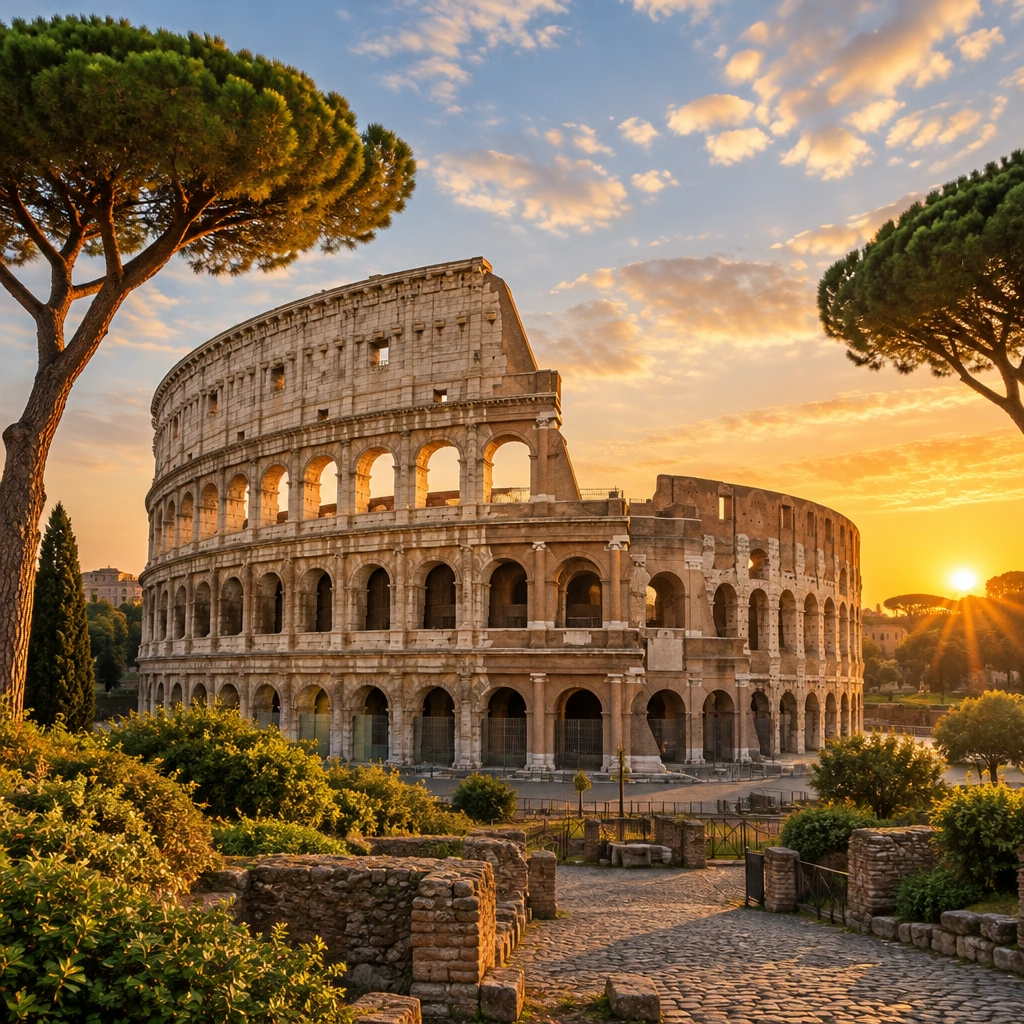
Italy
Eight days with flights from Athens: Rome, Siena and Chianti, Florence and Venice, with 4★ hotels, entry to the great monuments and a Greek-speaking coordinator.
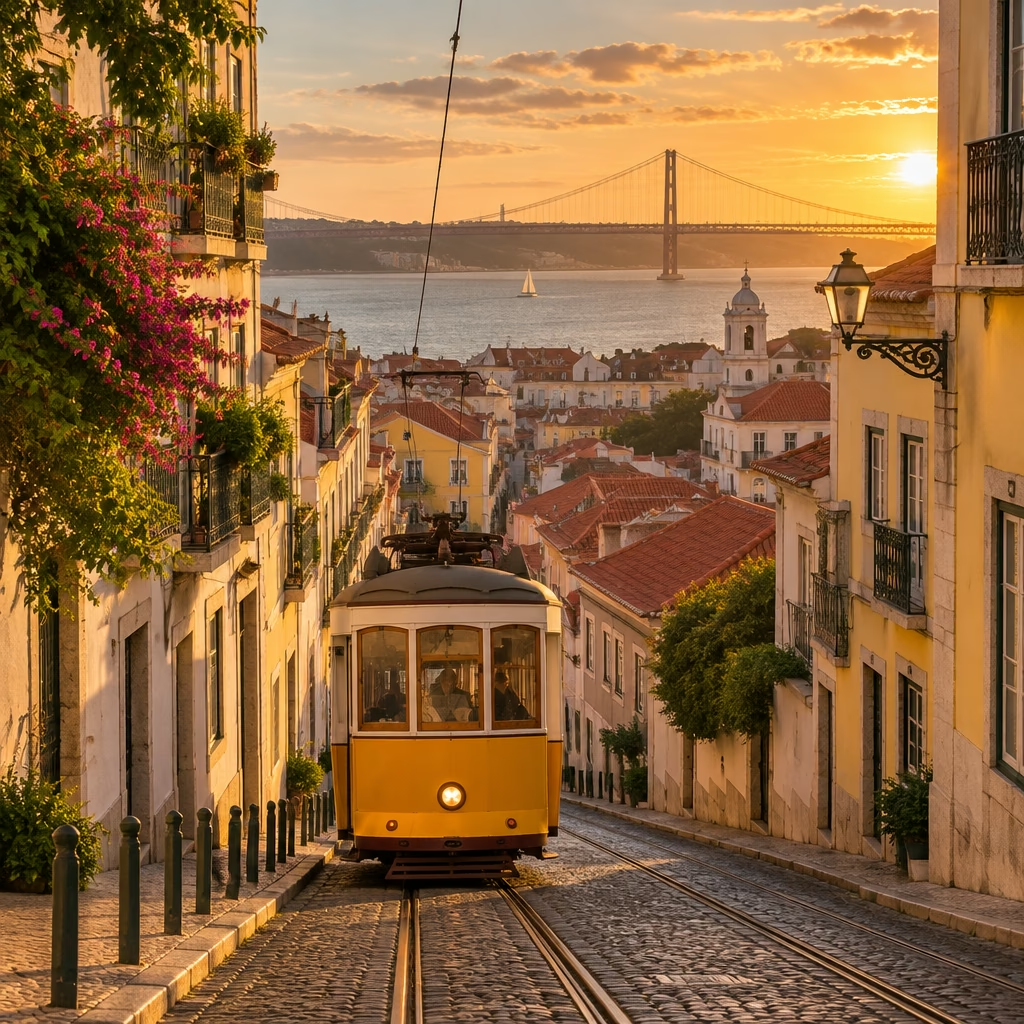
Portugal
Eight days with flights from Athens: Porto, the Douro valley, Lisbon, Sintra and the Algarve, with 4★ hotels, wine tastings and a Greek-speaking coordinator.
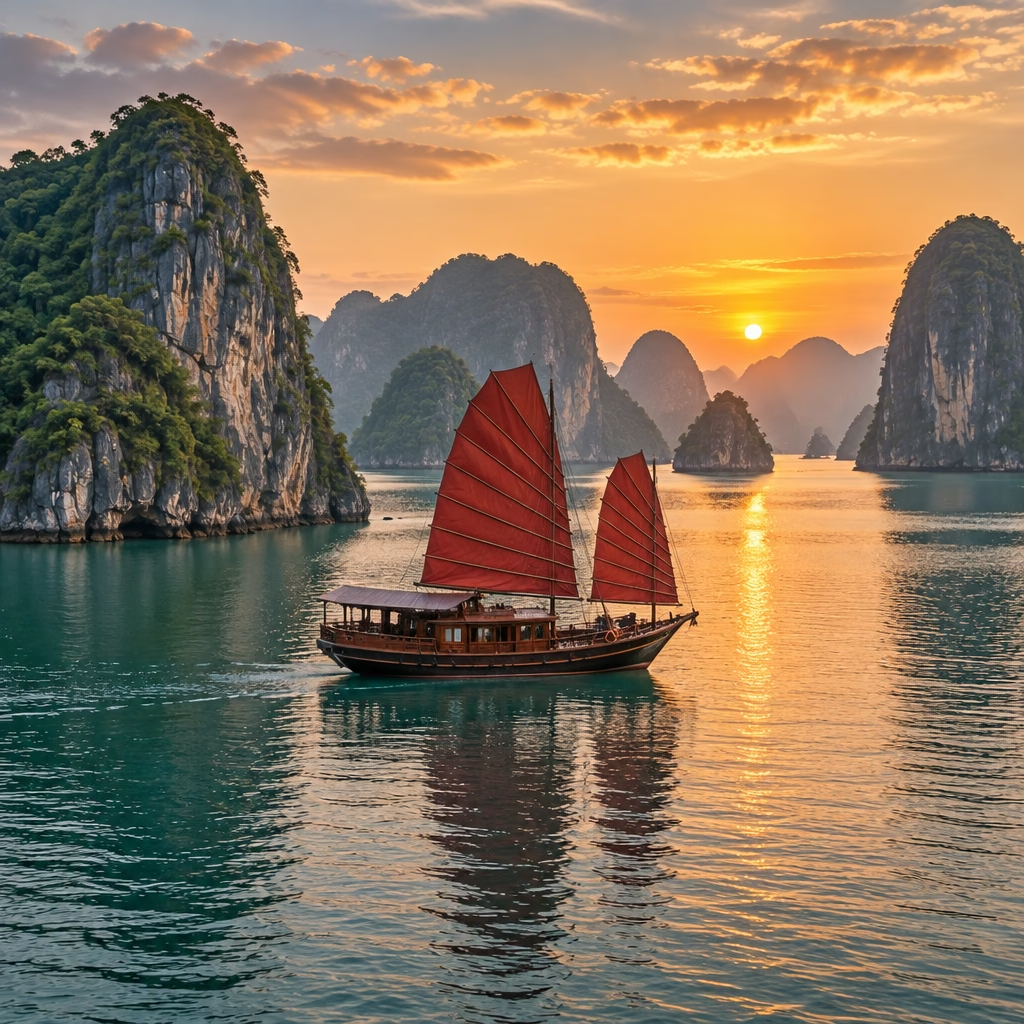
Vietnam
Twelve days from Hanoi to Siem Reap, flights included: an overnight cruise in Ha Long Bay, lanterns in Hoi An, the Mekong Delta and Angkor Wat at dawn, with a Greek coordinator.